
Learning to Sit With Stillness
Learning to sit with stillness is not about escaping life. It is about meeting it more honestly.
4 minutes
We live in a world that rarely stops. Notifications, expectations, and constant mental noise have made movement feel natural and stillness uncomfortable. For many of us, silence is no longer a place of rest but something we try to fill as quickly as possible. Learning to sit with stillness is not about escaping life.
It is about meeting it more honestly.
“The discomfort of doing nothing”
When we first sit down in silence, the mind often becomes louder, not quieter. Thoughts speed up. To-do lists appear. Old memories surface. This can feel frustrating, even overwhelming, leading many people to believe they are “bad” at meditation.
In reality, this restlessness is not a failure, it is simply what the mind does when it is no longer distracted. Stillness does not create the noise; it reveals it.
A common misunderstanding is that stillness means having no thoughts at all. But stillness is not emptiness. It is awareness without constant reaction. Thoughts may continue to arise, but instead of following each one, we learn to observe them gently.
It is about meeting it more honestly.
“The discomfort of doing nothing”
When we first sit down in silence, the mind often becomes louder, not quieter. Thoughts speed up. To-do lists appear. Old memories surface. This can feel frustrating, even overwhelming, leading many people to believe they are “bad” at meditation.
In reality, this restlessness is not a failure, it is simply what the mind does when it is no longer distracted. Stillness does not create the noise; it reveals it.
A common misunderstanding is that stillness means having no thoughts at all. But stillness is not emptiness. It is awareness without constant reaction. Thoughts may continue to arise, but instead of following each one, we learn to observe them gently.

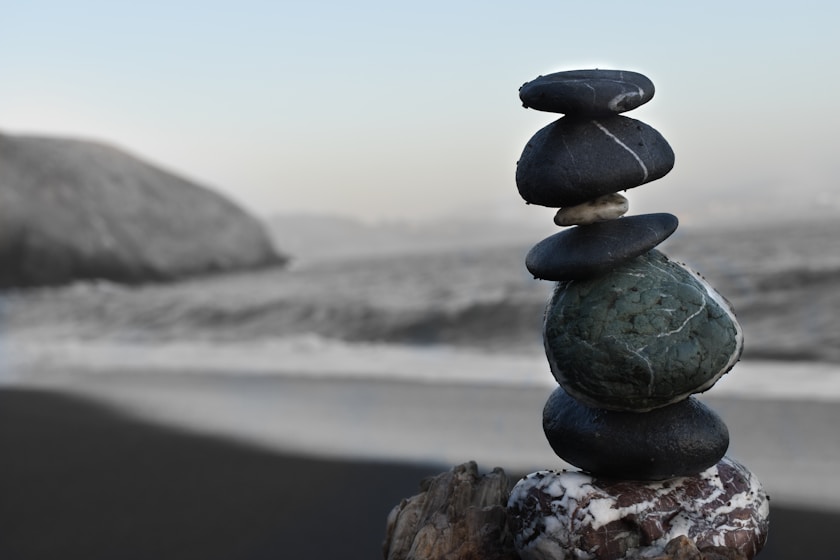
Sitting with stillness is a practice of staying. Staying with the breath when the mind wants to wander. Staying with discomfort instead of reaching for distraction. Staying with quiet moments that feel unfamiliar.
At first, this staying may only last a few seconds. Over time, those seconds grow into minutes. What changes is not the world around us, but our relationship to it.
Stillness does not belong only on a meditation cushion. It can appear in small moments throughout the day — while waiting in line, walking without headphones, or pausing before responding to a message.
These brief pauses reconnect us with the present moment. They remind us that peace is not something to achieve later, but something available now.
Learning to sit with stillness is not about discipline or control. It is a soft return to being, rather than constant doing. It asks for patience, honesty, and compassion toward the busy mind we all share.
In an always-on world, choosing stillness becomes a quiet act of care. One that allows clarity, presence, and a lighter mind to slowly unfold.
In a culture that values constant output, choosing to sit with stillness can feel radical. Yet it is one of the simplest forms of self-care available. No tools, no apps, no performance required.
By allowing ourselves to pause, we give the mind permission to rest and the nervous system space to recover.
With practice, stillness is no longer limited to formal meditation. It quietly follows us into conversations, daily routines, and moments of rest. It becomes a subtle anchor — always available, always patient.
Related posts

Meditation
Learning to Sit With Stillness
Learning to sit with stillness is not about escaping life. It is about meeting it more honestly.

Matthieu Vermeulen
